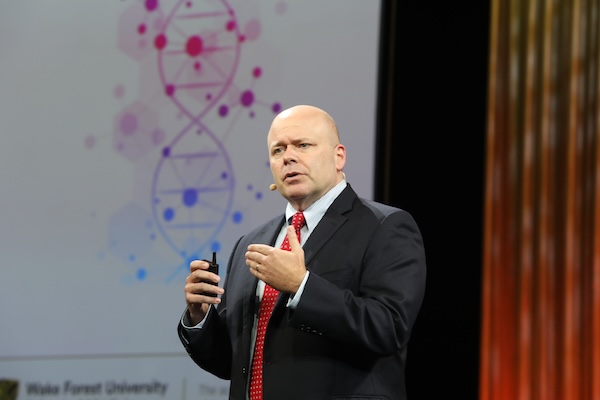
The 12-year-old weighed more than 300 pounds by the time Dr. Joseph “Joey” Skelton (MS ’10, P ’28), then a resident at the Medical College of Wisconsin, was assigned the patient. Other doctors had tried to help the boy and his family, but nobody had found success.
An obesity expert had recently joined the department, so Skelton reached out for guidance. But the expert didn’t see patients, he told Skelton, he just researched them. It was a moment of frustration that would shape what came next.
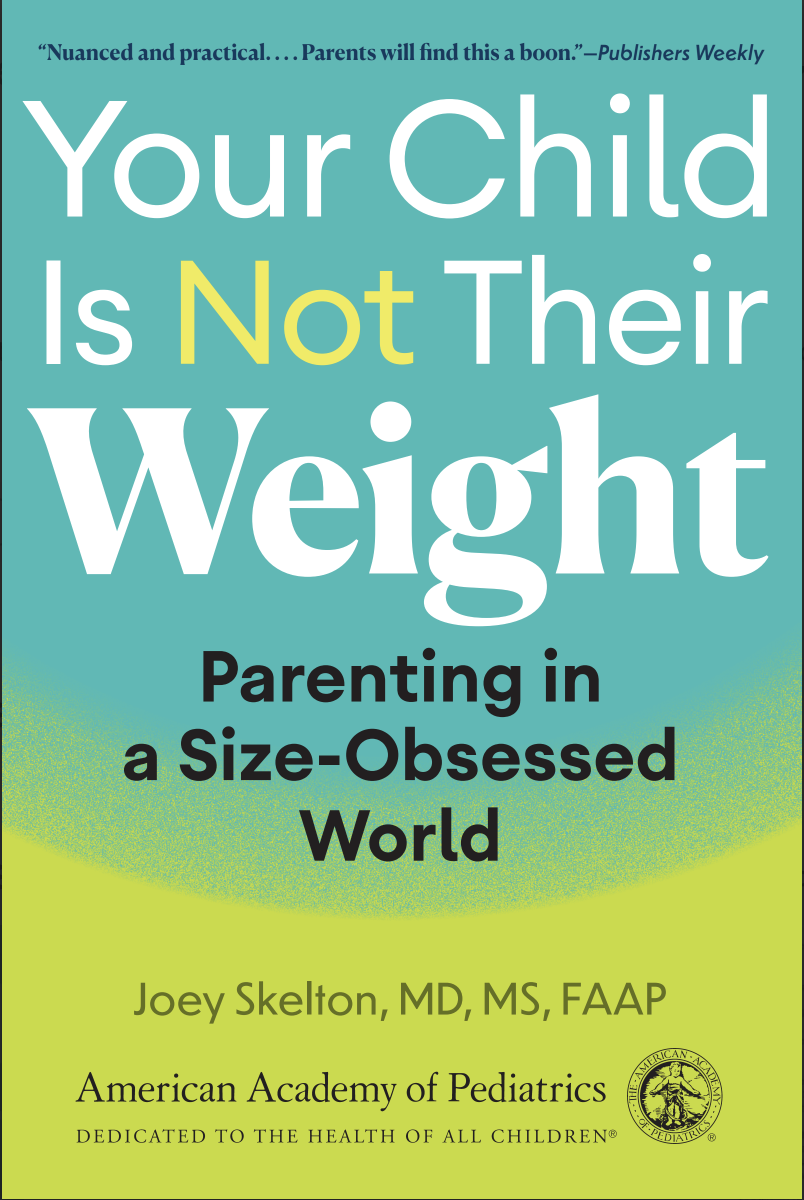
Today, unlike that expert, Skelton treats both patients and researches pediatric obesity as a pediatrician, professor and obesity medicine specialist at Wake Forest School of Medicine. He’s also founder and director of Brenner FIT, or Families in Training, a program that has tackled pediatric obesity for nearly 20 years — one family at a time.
This month, Skelton and two Brenner FIT colleagues will share their methods and message to a much broader audience. Their book, “Your Child is Not Their Weight: Parenting in a Size-Obsessed World,” published by the American Academy of Pediatrics, will launch March 17.
“Our approach here really tries to focus on a non-diet, non-restrictive approach,” Skelton says, “trying to find ways that families developing healthy habits could bring them closer together instead of causing conflict.”
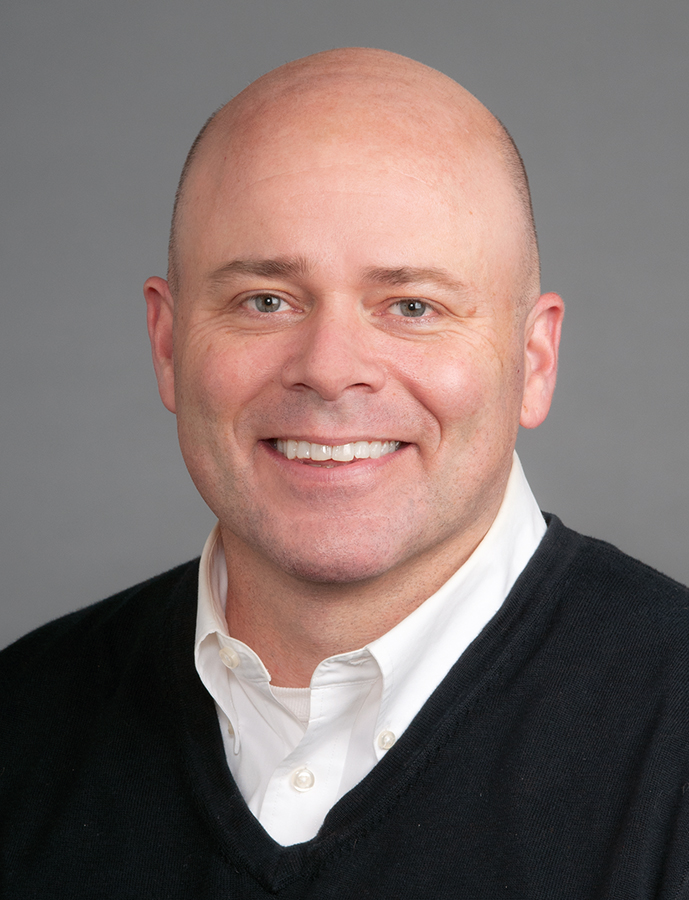
Writing a book was the last thing on Skelton’s mind when the academy approached him. In 2023, the group released its Clinical Practice Guidelines on childhood obesity treatment to criticism from the eating disorder community and body positivity advocates. They warned that the guidelines, which focused on intensive weight loss, risked doing more harm than good to children in larger bodies.
Skelton’s work offered a more positive approach, so when the academy offered him a bigger platform for it, “I couldn’t say no,” he recalls.
Skelton pulled in his co-authors, Dara Garner-Edwards (P ’22), Brenner FIT associate director and family counselor, and Melissa Moses, Brenner FIT lead dietitian and program manager, who have spent years working with him.
Designing a better way
The book challenges the instinct to simply tell kids to eat less and move more. Nutrition and activity are just one piece of the puzzle when it comes to weight, the book says. Genetics, neighborhood, family income, food access, health policy and medications all play a significant role.
“I can tell you from 20 years of medical practice, I consistently see children in different-sized bodies with very similar eating and activity habits,” Skelton writes.
The strategies that he and his colleagues have developed at Brenner FIT are deliberately non-restrictive. Instead of turning parents into what Skelton calls “the food police,” the book maps out how parenting with love and structure — around sleep, meals, snacks and activity — can support healthy habits. It tackles picky eating and the power of family connection and embraces cultural food traditions for which diet culture rarely makes room.
The goal was to get to know families first — their eating habits, schedules, culture and stressors. Only then could the doctors help make realistic changes that preserved what mattered to their patients — whether it was bagels or biscuits — while building healthier habits.
“The first thing we do is we just start attacking foods that are important to people’s culture,” Skelton says. “And, guess what? Tortillas did not cause this problem. Rice did not cause this problem. All these problems tend to predate a lot of that stuff.”
Journey to Wake Forest
Skelton’s path to Wake Forest involved a series of near-misses. A native of east Tennessee, he wanted to attend Wake Forest as an undergrad and got in, but Furman University offered a larger scholarship, so he went there and majored in chemistry.
He applied to Wake Forest’s medical school, but there was no pharmacy school option for his now-wife, Kristen Skelton (P ’28), a critical care pharmacist at Atrium Health Wake Forest Baptist. So, the couple landed at the University of Tennessee. For his residency, Wake Forest was his second pick, and he got his first — the Medical College of Wisconsin.
His residencies were in pediatrics and pediatric gastroenterology, and his interest in treating pediatric obesity grew during that time as he met with patients and spent a month with an obesity expert in Long Island, New York.
There, he learned that treating childhood obesity doesn’t have to involve putting a child on a prescribed plan. The first question his mentor would ask new patients: How many bagels do you eat? The bagel gauge was new to Skelton, an east Tennessee native, who learned it was equivalent to his beloved biscuits and gravy.
The goal was to get to know families first — their eating habits, schedules, culture and stressors. Only then could the doctors help make realistic changes that preserved what mattered to their patients — whether it was bagels or biscuits — while building healthier habits.
“Every family has different needs, and you need to start where they are and go from there,” Skelton says.
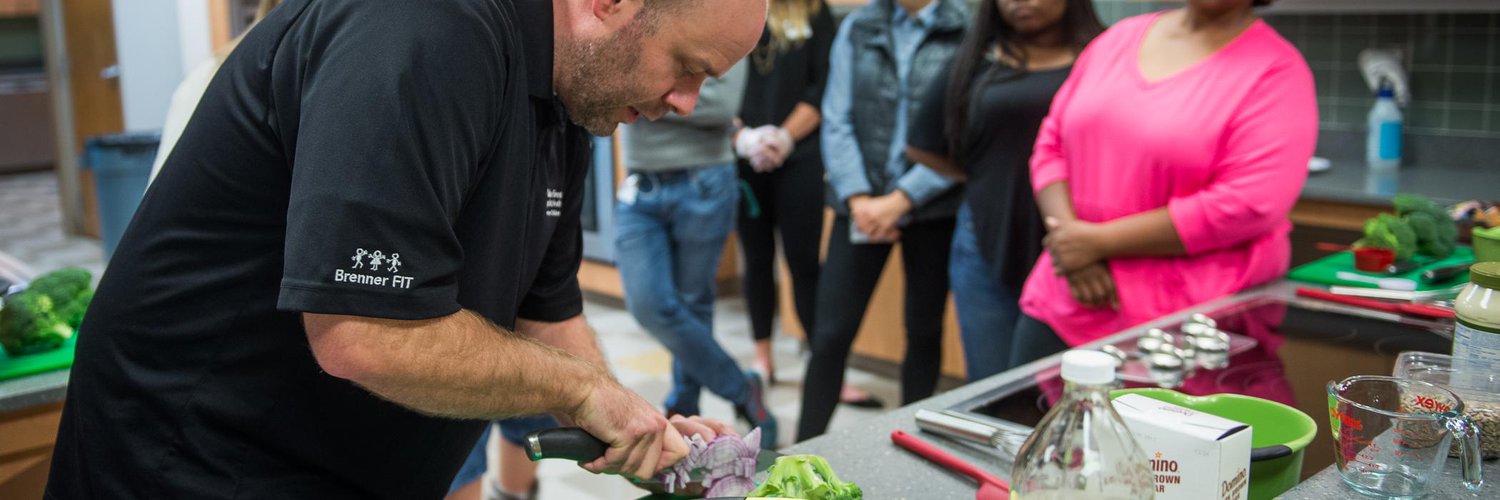
As Skelton and his wife began their careers in Wisconsin, he crossed paths with Wake Forest again. Other colleges were recruiting Skelton when he learned that Dr. Jon Abramson (MD ’76, P ’11), then long-time Wake Forest pediatrics chair, was speaking in Wisconsin. Skelton invited Abramson for a drink, and Skelton was finally on his way to becoming a Demon Deacon.
The job, assistant professor of pediatrics and director of Brenner FIT, came with the opportunity to earn a master’s degree in clinical research at the School of Medicine, providing him with the research training he felt he was missing. Skelton arrived to Winston-Salem in August 2007. By his first day, 50 families had been referred to him.
“They were already queued up to see me because they were in such need of a program,” he says. “We just started to put it together.”
Building Brenner FIT
Since launching Brenner FIT in 2007, the program has evolved, informed by the team’s experiences with patients and research findings as it expands its reach through telehealth and virtual programs to serve rural areas. In 2025, it completed 3,385 patient visits. The average patient is 11 years old.
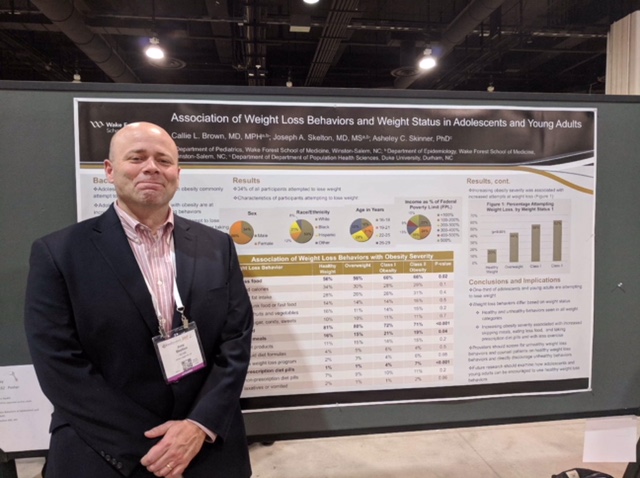
The program trains medical students and doctors, part of Skelton’s broader goal of changing not just how families think about weight, but how the medical profession does, too. He has mentored many pediatric residents and colleagues since his arrival — including Callie Lambert Brown (’07, MD ’11), an associate professor of general pediatrics and adolescent medicine at the School of Medicine.
“Everybody comes to him for advice,” says Brown, who specializes in obesity prevention in early childhood. “He always has a sarcastic comment and a comment about a recipe or a restaurant, but he also has really great advice. He always puts his mentees and their interests first and helps them to think about their career and their next steps.”
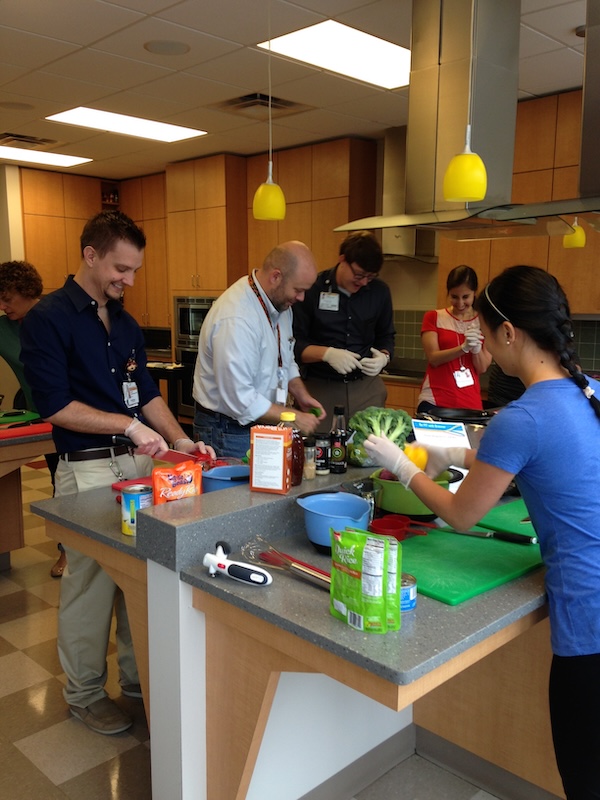
That energy extends into the classroom as well. He’s developed a culinary medicine program for Wake Forest medical students — a natural fit, it turns out, for someone who declared at age 6 that he wanted to become a chef. It’s a sought-after class, Moses says. “When he’s teaching, he is really teaching down to the science of how stuff works in the kitchen. It’s impressive what he knows.”
A changing landscape
The emergence of GLP-1 medications, used to treat obesity, has presented new opportunities and challenges for Skelton and his team. Skelton prescribes the medications, but says they can’t be treated as a quick cosmetic fix for kids. Children on these medicines are often eating much less, so they demand closer nutrition oversight. He’s also seeing more kids who, after successful weight loss on the medications, tip into disordered eating habits.
“Unsupervised weight management is a gateway to disordered eating,” he says.
Despite the new medications, Skelton’s battle continues against deeply ingrained perceptions about weight and body size. He hopes the book will help flip that script with doctors, journalists and especially parents.
Skelton and his co-authors dedicated it to “all the parents who grew up dieting and want to raise their children to love their bodies, enjoy food without guilt and make memories around the dinner table.”
“It’s so hard for parents,” he says. “There’s so much to navigate, and if we don’t give guidance, it’s just going to make their lives that much harder.”
Sarah Lindenfeld Hall is a longtime North Carolina-based journalist, former staff writer for the Winston-Salem Journal and The (Raleigh) News & Observer and founding editor of WRAL-TV’s popular parenting website. Today, she’s a freelance writer, regularly diving into stories about interesting people and parenting, health, education, business and technology topics.
More Stories

Charting the course
How alumni are leading though turbulent times in their industries.

Fit? Check.
President Peter Rodriguez has landed at a university that is “congruent” with his background and his values.

Shining a light on Wake Women
Wake Forest is not a single story. It is the sum of every individual experience of those who have passed through this institution.