This story is part of Living Proof, a series of profiles of alumni who got to Wake Forest on scholarships and are now giving back in their professions and communities.
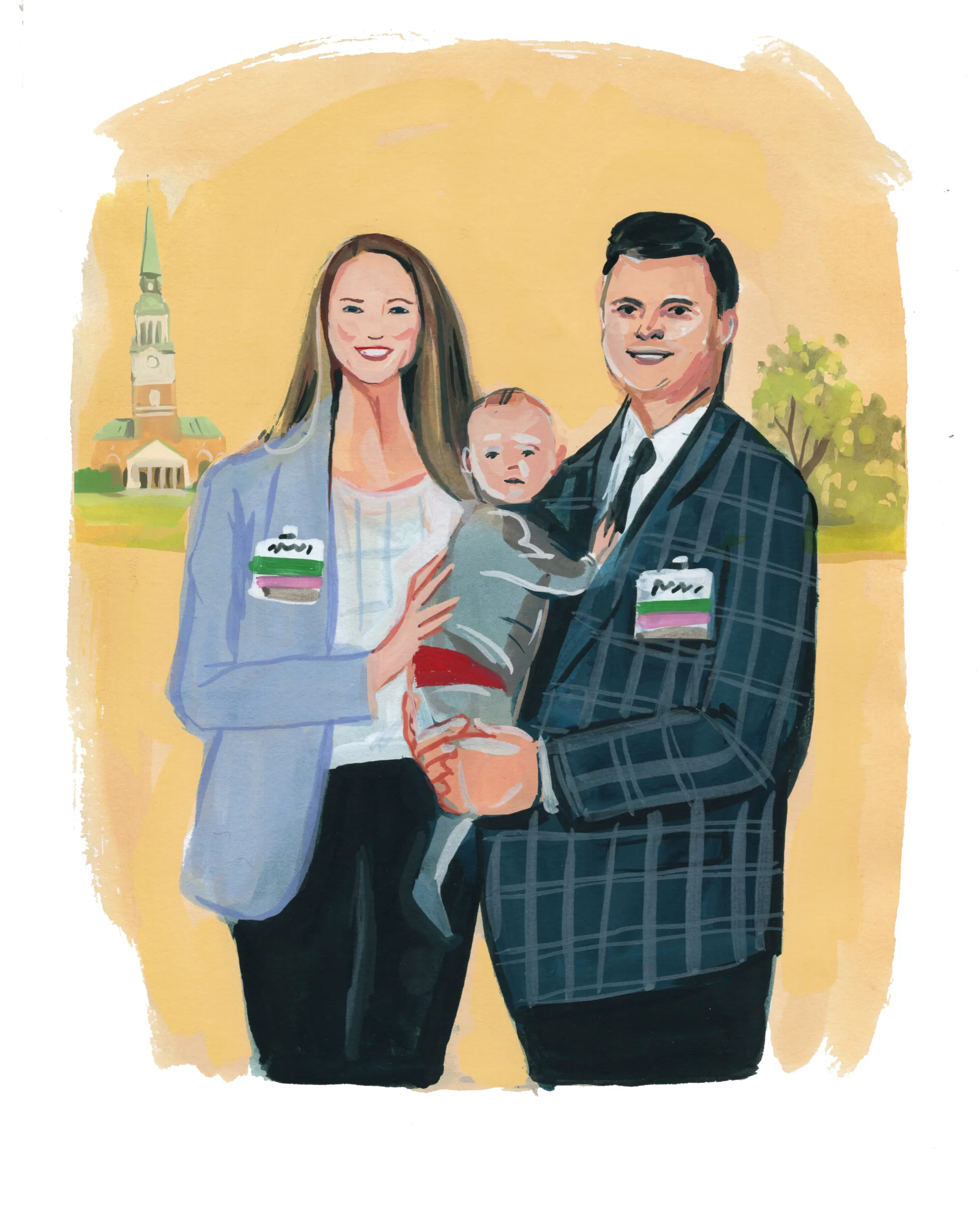
Cy Fogleman (’18) grew up in unincorporated Union Cross, North Carolina, only 15 miles east of Wait Chapel. But he didn’t set foot on Wake Forest’s campus until his junior year of high school.
When he finally visited for the first time, “I fell in love with it, walking around and talking to the people here. … I decided I didn’t want to go anywhere but Wake.”
He meant it. He didn’t apply to any other schools. But his elation when his early decision application was accepted was diminished by another hurdle: He had no idea how his family would pay for it.
They waited anxiously until that March, when they learned his costs would be almost completely covered by scholarships including the Porter B. Byrum Scholarship, created by a benefactor who was also born in Forsyth County, the youngest of five sons to a Baptist preacher.
Fogleman’s younger brother, Joe, will start his first year at Wake Forest in August. This time around, the family knew they could afford it, thanks to the new North Carolina Gateway to Wake Forest, which waives tuition for in-state students with family income of less than $200,000 a year and typical assets.
Joe is “so blessed. He would never have been able to come here without that,” says Kandis McNeil Fogleman (’19).
She can relate. The Wilkes County native said her acceptance to Wake Forest didn’t feel real until the day she received her financial aid offer. She and Cy met on the first day of a grueling chemistry lab in 2017. They bonded then over the difficulty of the work, and later over a desire to practice medicine in underserved areas like the ones where they grew up. They married in 2019.
The Foglemans are among thousands of students and alumni who have benefited from scholarships to Wake Forest based on merit or need. They experienced how that aid opened doors during their undergraduate years and beyond. And they may be the biggest fans of the North Carolina Gateway, announced last year, pouring out praise for the initiative through letters, social media comments and interviews, and sharing their excitement to see that access expanding more widely, while making it more transparent, for qualified students across the state.
“It’s a life changer,” says Bryson Rominger (’15), who grew up in Granite Falls, North Carolina, and received aid including the William K. Stamey Scholarship, designated for North Carolina students with financial need. Rominger went on to earn a doctor of dentistry degree from East Carolina University and is expanding the dental practice he bought 15 minutes from his hometown.
“I love Wake Forest, and you hardly ever run into anyone who went there around here,” he says. “I hope that in 20 years I’m meeting many more Wake grads in small towns.”
Alumni like the Foglemans and Rominger are living proof of the return on investment in North Carolina students. They are providing medical care in rural areas, reviving century- old homes in Raleigh and counseling Greensboro families through legal battles. One alum even returned to Winston-Salem and created a new scholarship at Wake Forest.
Kandis McNeil Fogleman (’19) was a curious, accomplished student, but she didn’t think about education beyond high school — no one in her family had gone to college. That only changed when her high school teachers started encouraging her. Even after she was accepted to Wake Forest, it didn’t feel real until the day her financial aid package arrived.
She remembers going to the mailbox at her family’s house in Millers Creek, North Carolina (population 1,931), and ripping open the envelope — then running to find her father, who was mowing. “I held the papers up and just stared at him, and he just started crying,” she recalls, a tear escaping down her cheek as she recounts the story years later. Kandis had been named a Magnolia Scholar, a program for first-generation college students, and received other grants for students from Wilkes County, where she grew up and wants to return.
Her family wound up paying the equivalent of one semester at Wake Forest across all four years. Through the Magnolia Scholars program, she spent a summer at the University’s Flow House in Vienna and went shopping for interview suits.
She and Cy Fogleman (’18) met on the first day of a four-hour-long lab for quantitative analysis. “We just struggled through that lab together, because accuracy mattered,” Cy says.
They realized they shared a passion for rural medicine. Kandis wanted to be a doctor people could trust close to home. Cy wanted to reduce the need to drive long distances in emergencies. He saw his own mother fight for her life on the way to the hospital to deliver his premature brother. While visiting the NICU, Cy, then 12 years old, came up with the idea for a nonprofit called “Project Brotherly Love” that to this day provides care packages for families who weren’t prepared for an early baby.
He continued his passion for emergency care in college, working for three years on the student rescue squad as an EMT and one year with Forsyth County EMS.
Meanwhile, Kandis pursued research, remembering the special interest she received from Lord, then a biology professor. “She was such a champion for people who were first-generation college students, people who she felt were maybe underserved,” Kandis says. “She was just like a mom to me. … She gave us MCAT books, and she put in so much effort getting us into medical school and was always there for us.”
Lord recalls Kandis’s “diligence, her hard work, her commitment to research. … It wasn’t like she was just doing this as a check-off so she could apply to medical school. She was totally sincere, saying, ‘I want to be the best doctor I can be. What do I need to do? What do I need to learn?’”
Two weeks after Kandis graduated in 2019, the future doctors married in Wait Chapel. Kandis started medical school at UNC-Chapel Hill that fall, and Cy joined her a year later as part of the Kenan Rural Scholars program, which provided about two years’ tuition, experience working with rural primary care physicians and rotations in rural hospital settings.
“We feel that our God-given purpose is to truly serve a rural area,” Kandis says.
In between Kandis’s third and fourth years, she earned a master’s in public health degree with a focus on variables that encourage people to go into rural primary care as physicians.
“She is on a mission, and it’s a mission that we need more people to be committed to,” says Lord, the professor. “There are so many rural areas that do not have physicians or hospitals.”
Right before their fourth year, Kandis gave birth to the couple’s son, Rush, now a good-natured two-year-old happy to wander Reynolda Gardens in search of sticks.
When it came time to choose places to “match” for their family medicine residencies, they ranked Wake Forest School of Medicine first, both for its focus on rural medicine and also for its proximity to grandparents — and Wake Forest chose them, too. After graduation in 2027, they hope to land in Wilkes County, providing a full range of local medical care and building a network of support for some of the especially thorny problems they have seen in their rural rotations already, including mental health and addiction recovery and rehabilitation.
“We hope to have a lot to offer with our great training at Wake’s family medicine program and just providing the broadest scope we can, so people don’t have to drive down here as often,” Kandis says.
“Many students think they want to do family medicine or primary care, and their head gets turned by the procedures you can do as an orthopedic surgeon or the lifestyle of a dermatologist,” Lord says. “They have stuck to their intention. That’s Pro Humanitate.”
Read more about our alumni scholars:
The architect who came home
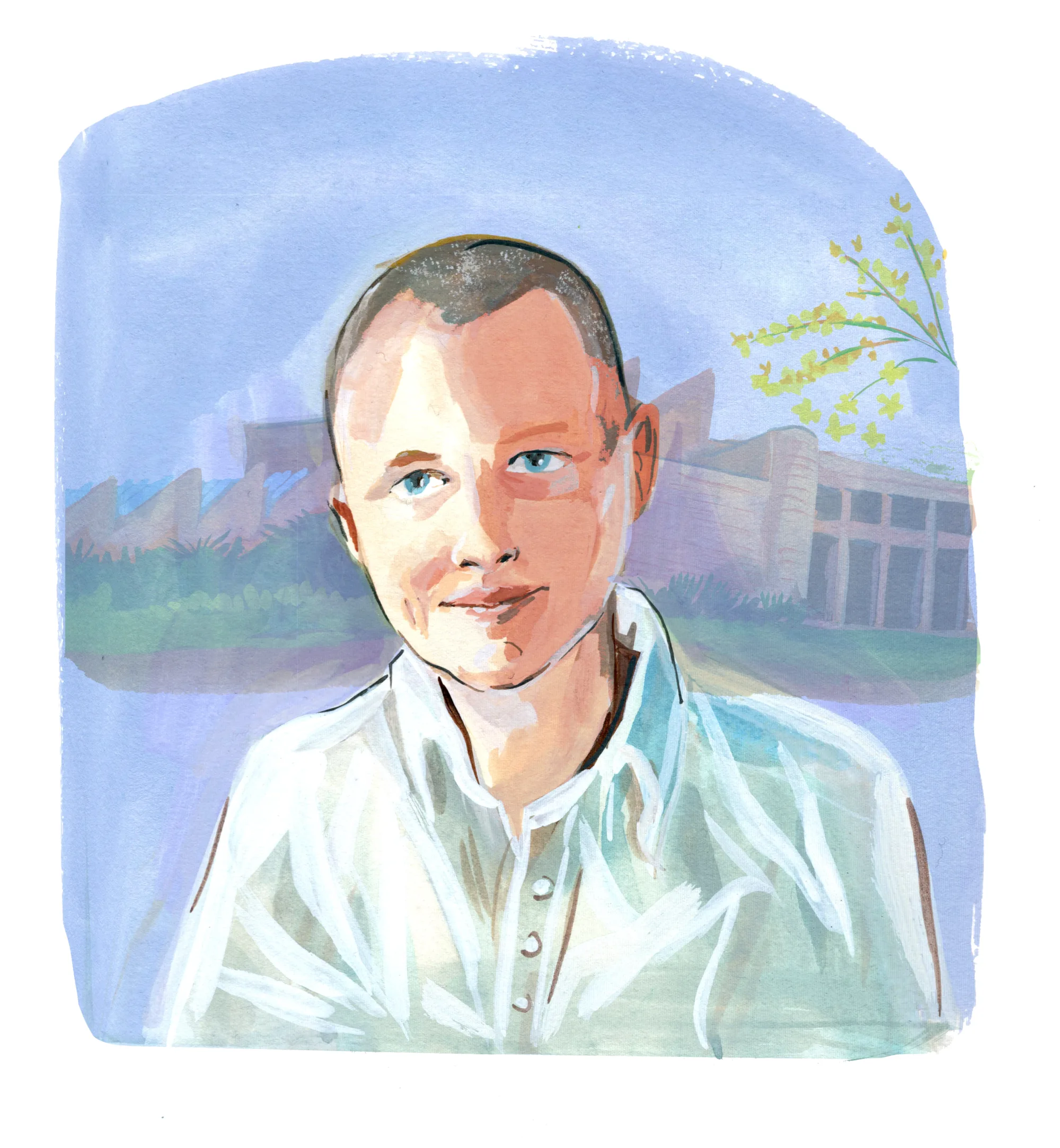
Robert Cox (’09)
The small-town dentist
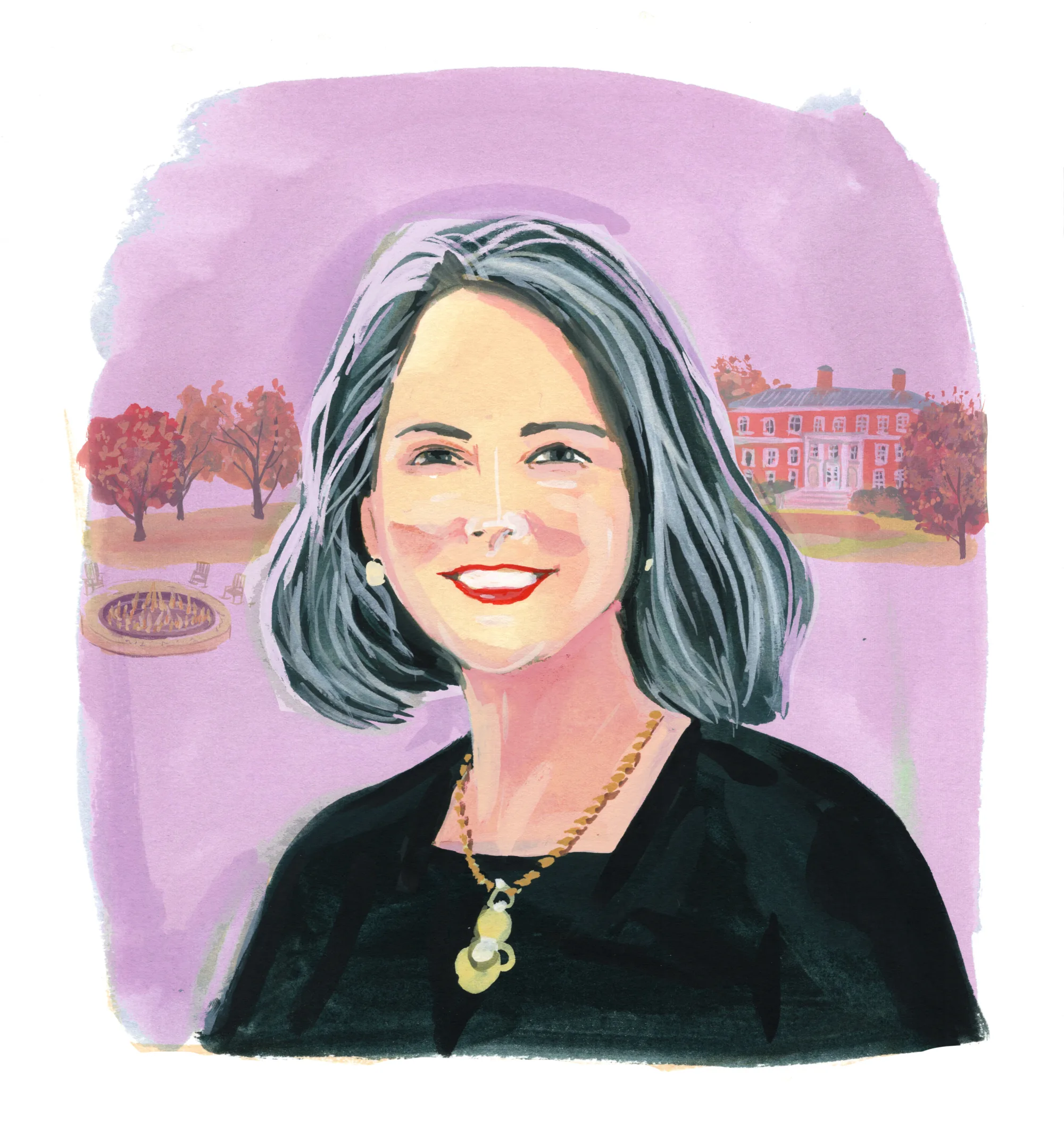
Marybeth Torbet Hays (’90, MBA ’94)
The debater turned lawyer
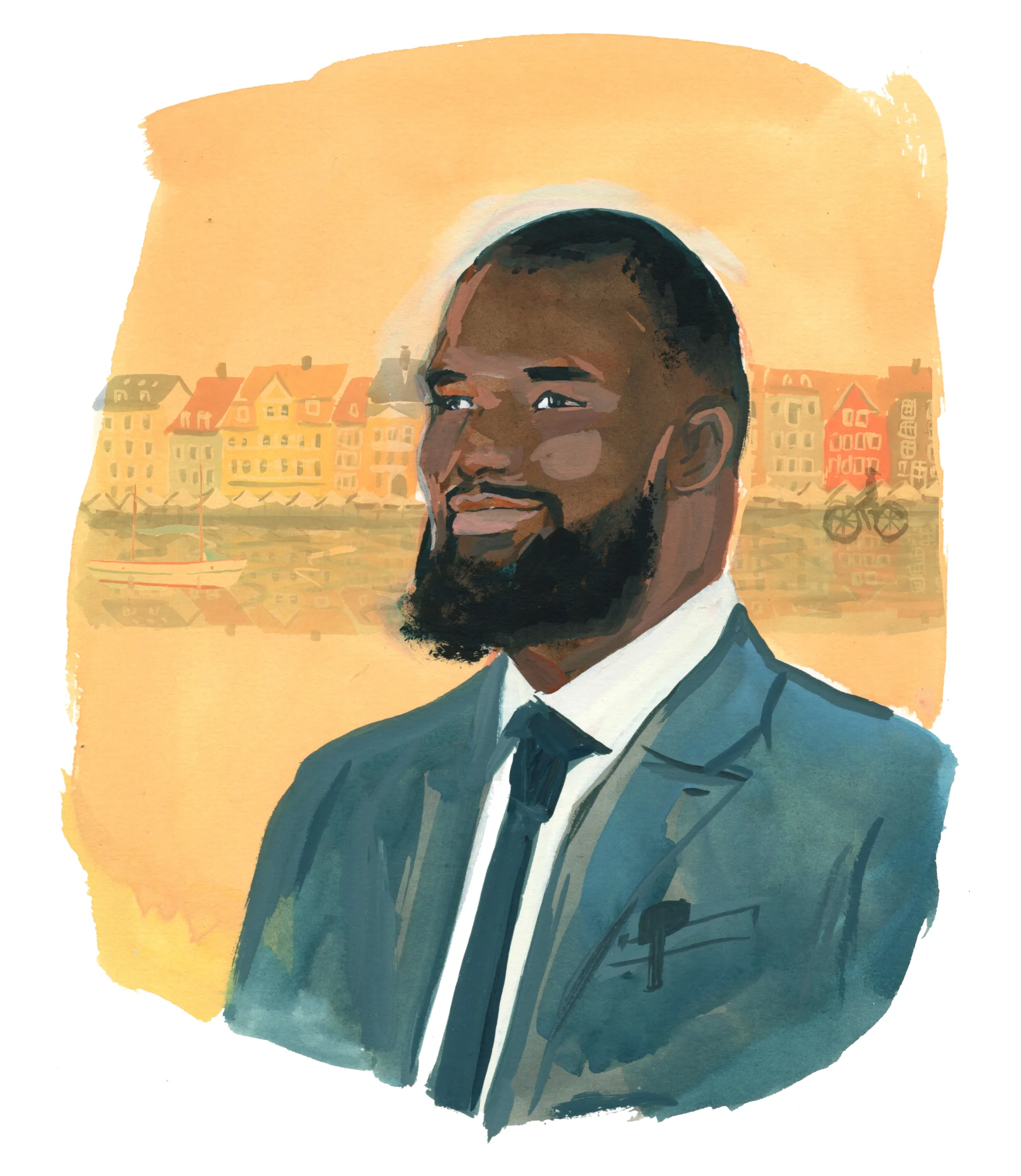
Alex White (’22)
More Stories
Fit? Check.
President Peter Rodriguez has landed at a university that is “congruent” with his background and his values.
Shining a light on Wake Women
Wake Forest is not a single story. It is the sum of every individual experience of those who have passed through this institution.

Back to School
These four Deacs see big opportunities for Wake Forest and its new president.